Introduction
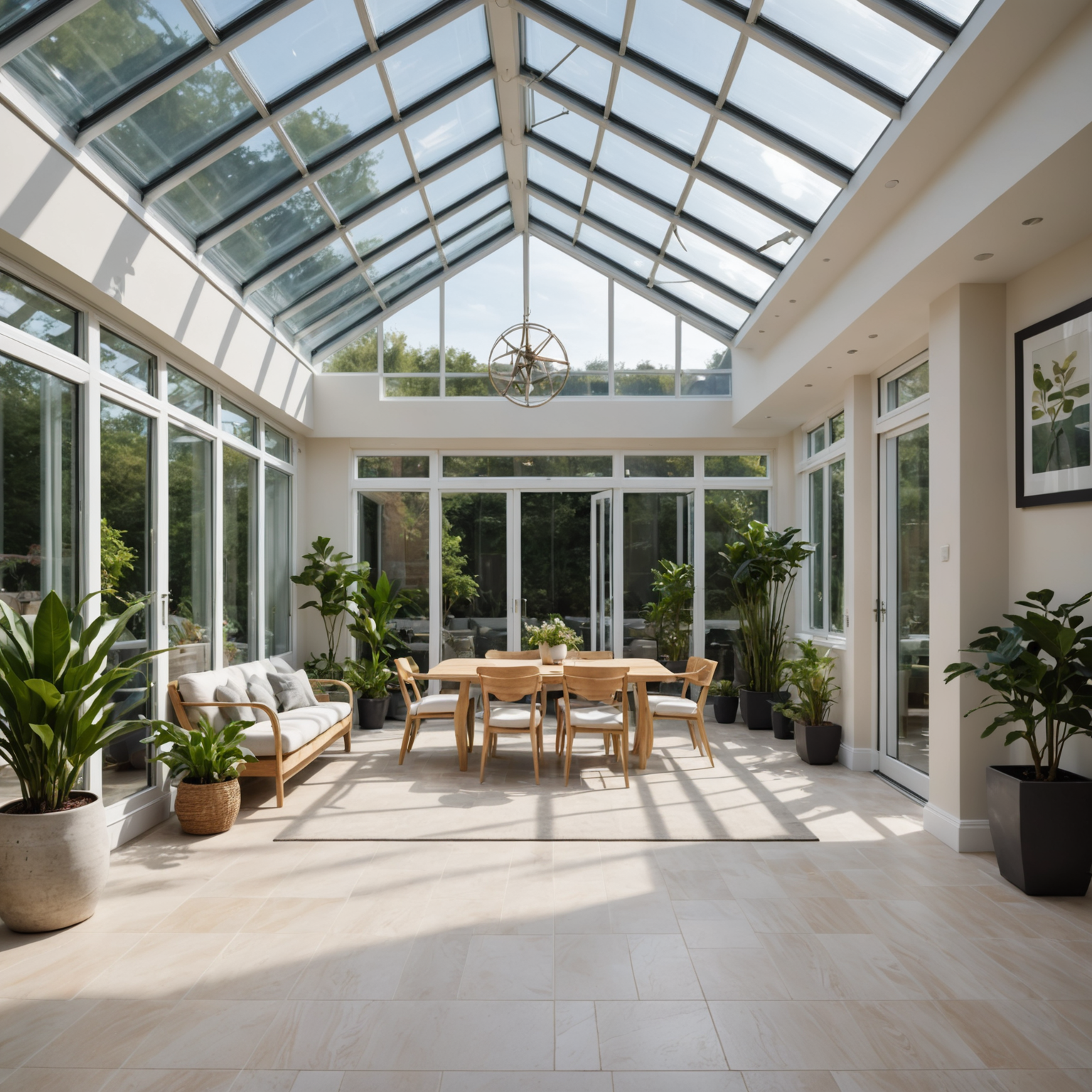
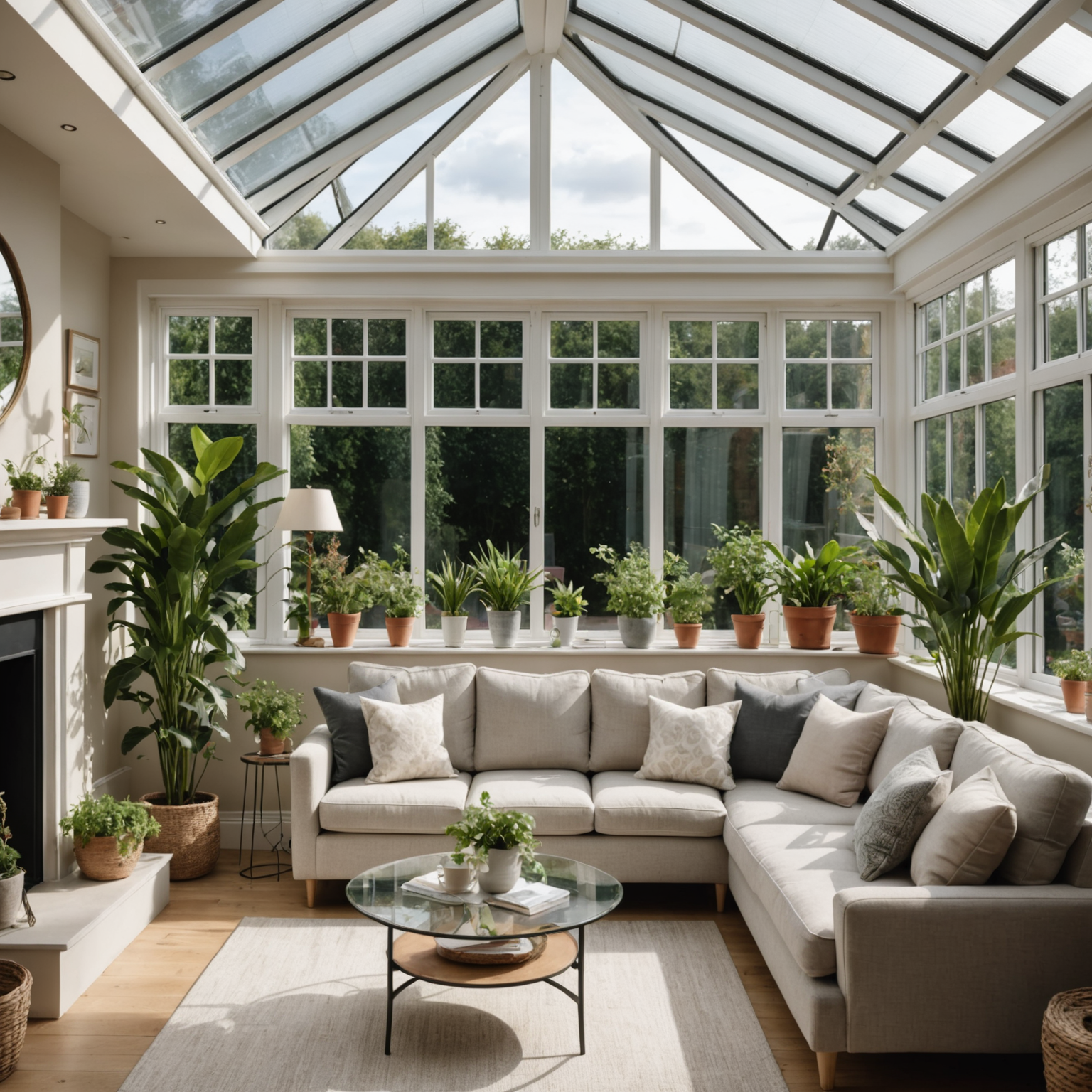
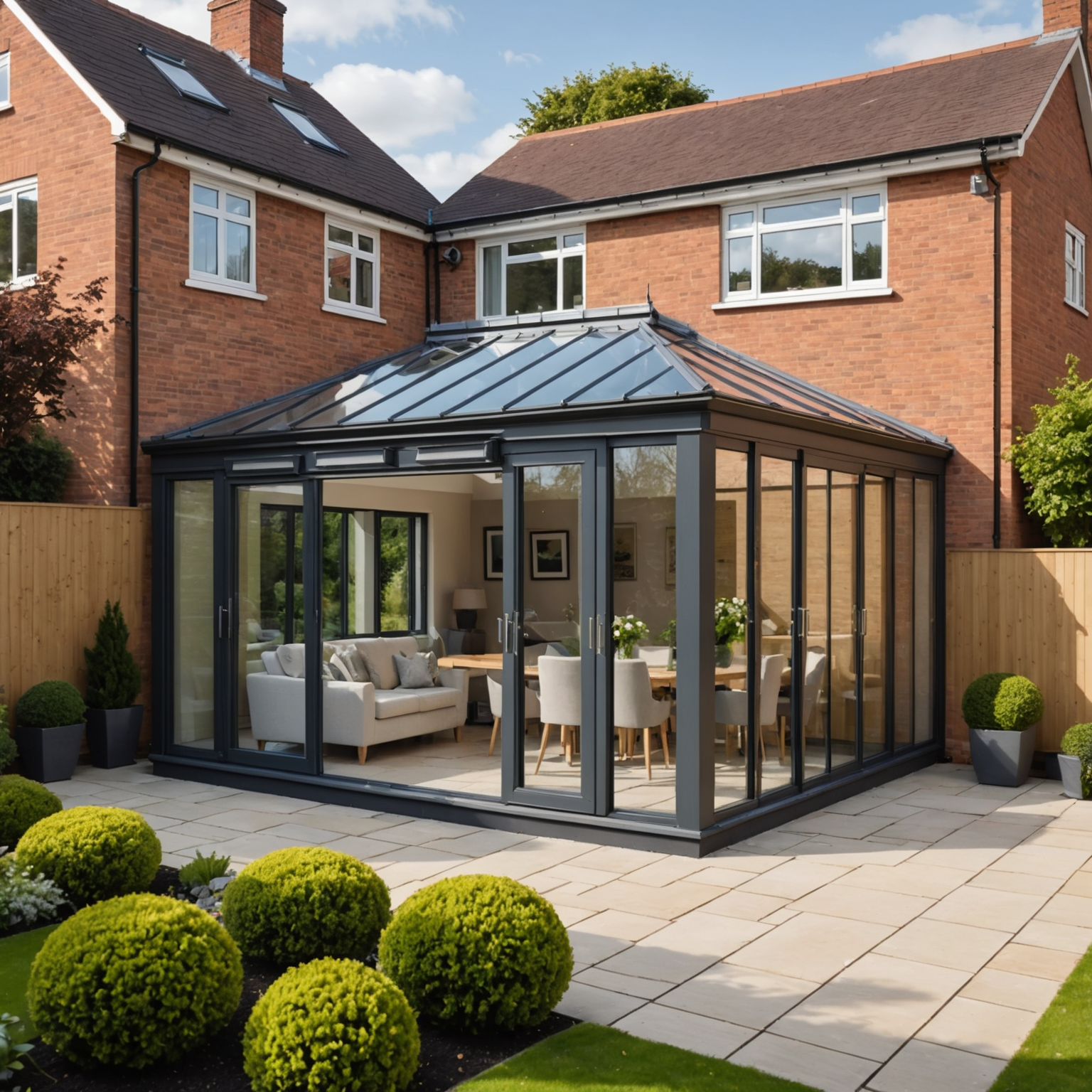
If you’re considering enhancing your home with a conservatory, you may have encountered the term “warm roof conservatory.” Unlike traditional conservatories, which can be uncomfortable in the extremes of British weather, a warm roof conservatory offers superior insulation and energy efficiency. This article delves into why a warm roof conservatory is an excellent choice for your home, providing insights into its benefits, installation considerations, and more.
Benefits of a Warm Roof Conservatory
Improved Insulation
One of the primary advantages of a warm roof conservatory is its exceptional insulation capabilities. Traditional glass or polycarbonate roofs often lead to heat loss during the winter and overheating in the summer. A warm roof, typically constructed with insulated tiles, maintains a stable internal temperature, ensuring your conservatory is usable year-round.
The materials used in warm roofs, such as Tapco or Metrotile, are designed to provide high thermal efficiency, which can significantly reduce your energy bills. According to the Energy Saving Trust, improving insulation is one of the most effective ways to lower household energy consumption.
Year-Round Usability
Conservatories are often seen as fair-weather rooms, but with a warm roof, you can enjoy these spaces regardless of the season. The thermal efficiency of a warm roof conservatory ensures that it remains cool in the summer and warm in the winter, making it a comfortable living area throughout the year.
Enhanced Aesthetics
A warm roof can transform the aesthetic of your conservatory, giving it a more integrated and polished look that aligns with the rest of your home. Options such as Edwardian-style tiled roofs or Victorian-style tiled roofs can enhance the traditional charm of your property.
Noise Reduction
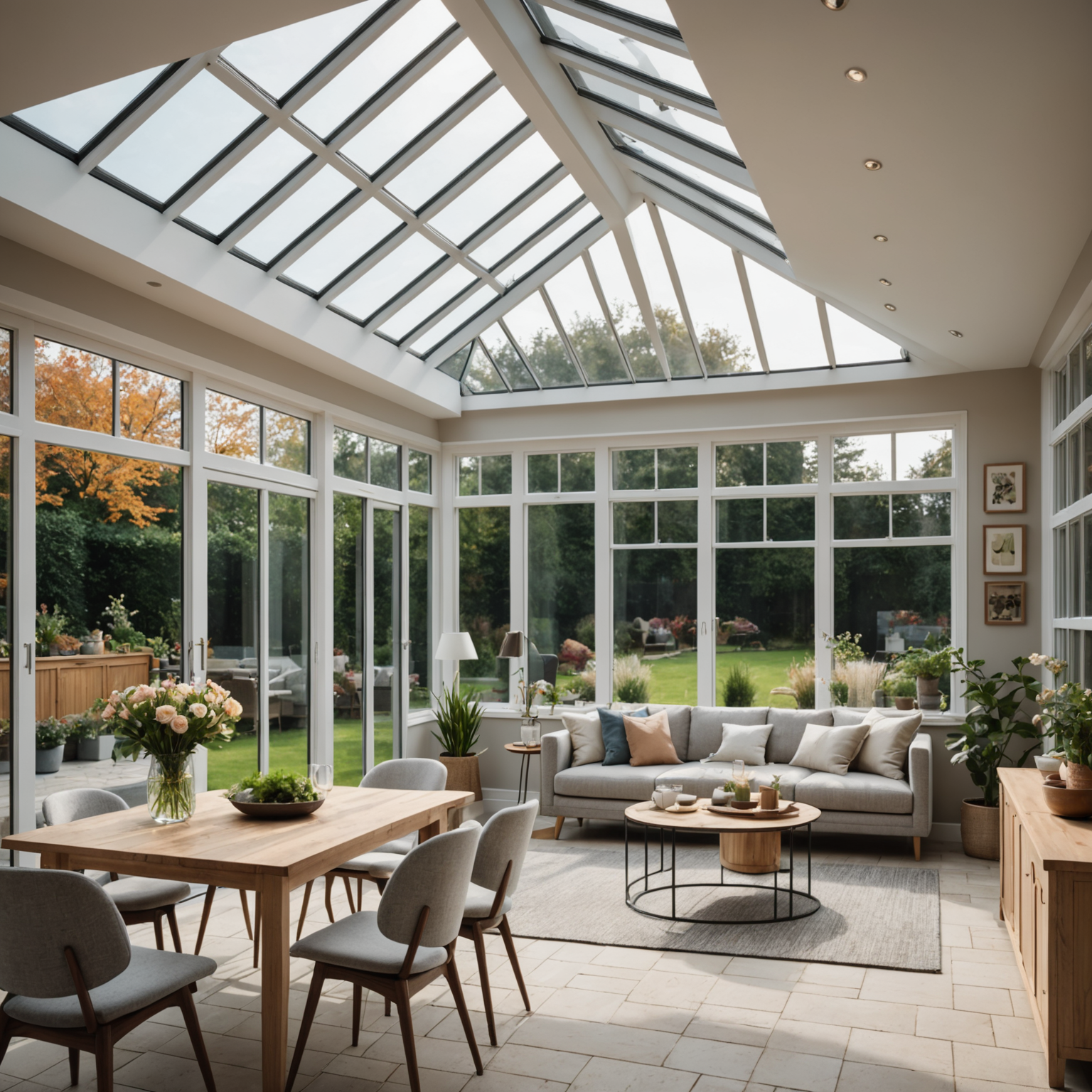
A lesser-known benefit of a warm roof conservatory is its ability to reduce external noise. The solid roof construction helps to dampen sounds from rain, wind, and nearby traffic, providing a more serene environment within.
Considerations Before Installation
Planning Permission and Building Regulations
Before installing a warm roof conservatory, it’s essential to check whether you need planning permission. Generally, replacing a roof does not require permission, but if you’re altering the height or footprint, it’s advisable to consult the Planning Portal.
Additionally, compliance with building regulations is crucial. Warm roofs must adhere to current standards to ensure safety and energy efficiency. The LABC provides guidance on meeting these requirements effectively.
Cost Implications
While a warm roof conservatory may have a higher initial cost compared to a traditional one, the long-term savings on energy bills and the added value to your property can make it a worthwhile investment. Consider consulting with professionals from Lynn Frame’s repairs and maintenance department to get a clear estimate tailored to your needs.
Material Choices
Choosing the right material for your warm roof is essential. Options like fibre glass flat roofs or tiled options provide different benefits in terms of durability, aesthetics, and cost. It’s vital to weigh these factors based on your specific requirements and preferences.
Conclusion
A warm roof conservatory is a smart investment for any homeowner looking to enhance their living space. With improved insulation, aesthetic appeal, and year-round usability, it offers significant benefits over traditional conservatories. By considering the factors mentioned above and consulting with professionals, you can ensure a seamless installation that adds value to your home.
FAQ
What is a warm roof conservatory?
A warm roof conservatory features a solid, insulated roof that replaces the traditional glass or polycarbonate roof, offering better thermal efficiency and comfort.
Do I need planning permission for a warm roof conservatory?
In most cases, you don’t need planning permission to replace a roof. However, if the height or footprint changes, consult the Planning Portal for guidance.
How does a warm roof conservatory improve energy efficiency?
The insulated tiles used in warm roofs reduce heat loss in winter and prevent overheating in summer, thus lowering energy consumption and bills.
What materials are commonly used for warm roofs?
Common materials include insulated tiles from suppliers like Tapco and Metrotile, as well as options like fibre glass.
Can a warm roof reduce noise?
Yes, the solid construction of a warm roof helps to dampen external noise, making the conservatory a quieter space.
How long does it take to install a warm roof conservatory?
Installation time varies depending on the complexity of the design and the existing structure, but it typically takes a few days to a week.
Is a warm roof conservatory more expensive?
While the initial cost may be higher, the long-term savings on energy bills and the added property value can offset the expense.
Where can I find more information on warm roof conservatories?
For more detailed advice and installation options, visit Lynn Frame’s contact page or explore their tiled warm roof gallery.